Understanding HPLC in Peptide Analysis
High-Performance Liquid Chromatography, or HPLC, is one of the most trusted analytical techniques in modern chemistry and pharmaceutical research. It separates compounds within a sample based on their chemical properties and measures their purity with high precision. For researchers working with peptides, HPLC testing is essential because it confirms that a compound is what it claims to be and that impurities are within acceptable ranges.
Peptydlab relies on HPLC testing as a core part of its quality control process. Every batch of research peptides undergoes this rigorous analytical test before shipment, ensuring that what arrives at your laboratory meets documented purity standards.
How HPLC Testing Works
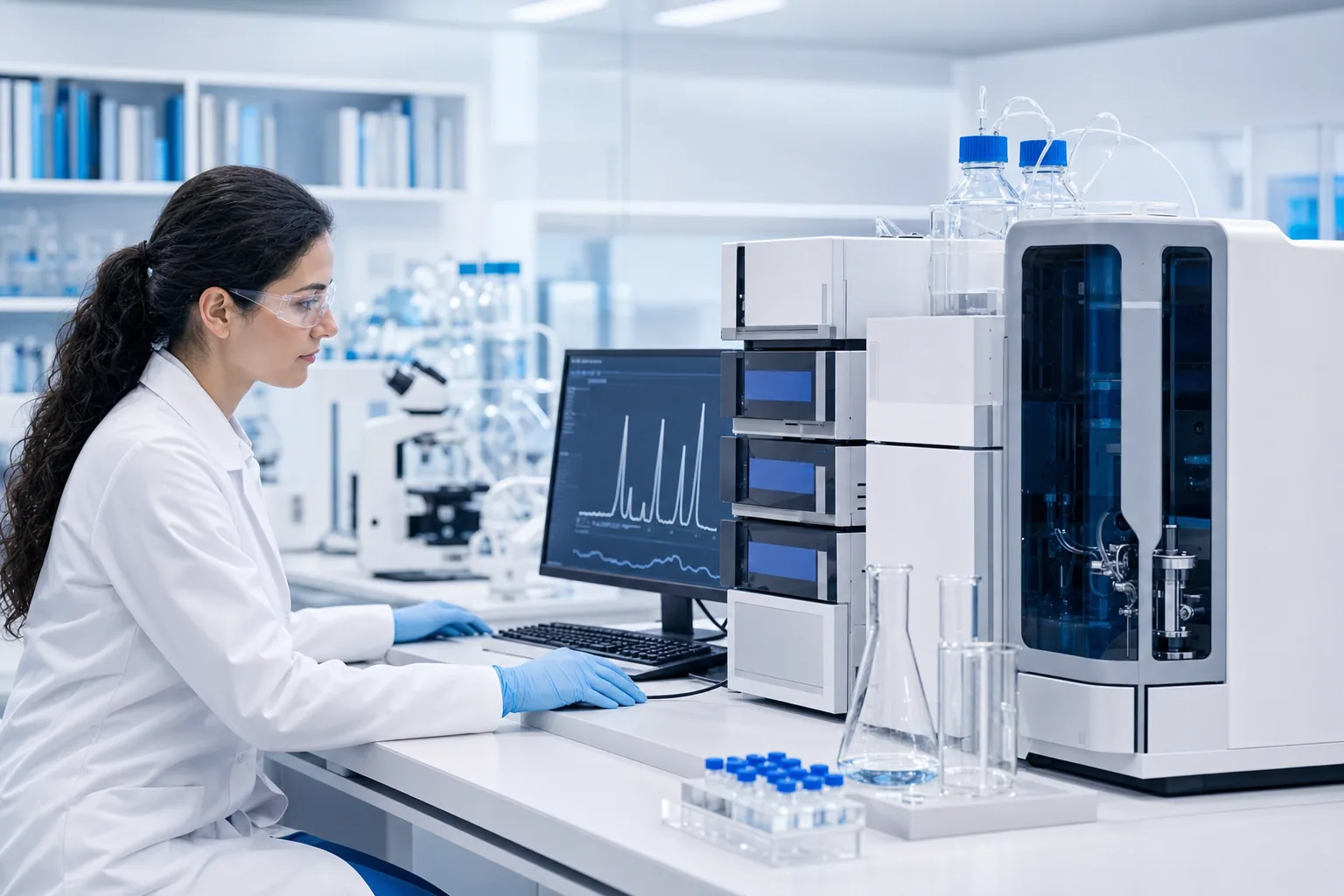
HPLC operates by pushing a liquid sample through a column packed with tiny particles that interact differently with different molecules. As the sample moves through the column, compounds separate based on their affinity for the packing material and the mobile phase liquid being used.
The basic workflow includes these steps:
- Sample preparation: The peptide sample is dissolved in an appropriate solvent
- Injection: A precise amount of the sample is introduced into the HPLC system
- Separation: The sample travels through the column, with each component separating at different rates
- Detection: A detector measures the separated compounds as they exit the column
- Data analysis: The resulting chromatogram shows peaks representing each compound, with peak height or area indicating concentration
The result is a visual graph called a chromatogram that tells researchers exactly what is in the sample and in what proportions.
Purity Assessment Through Chromatographic Analysis
When Peptydlab performs HPLC testing on a peptide batch, the goal is to identify the primary compound and quantify any impurities present. A pure research peptide will show a single dominant peak on the chromatogram, while impurities appear as smaller peaks at different positions.
Purity percentages are calculated by comparing the area under the main peak to the total area of all peaks in the chromatogram. For example, a peptide with 98% purity means the desired compound accounts for 98% of the total sample, with the remaining 2% consisting of related compounds or degradation products.
This level of detail is critical in research environments. Even small impurities can affect experimental outcomes, introduce variability between test runs, or complicate data interpretation. By documenting exact purity levels, Peptydlab ensures that researchers can reproduce results and maintain consistency across multiple batches.
HPLC Combined with Mass Spectrometry
While HPLC measures purity by separation, it does not definitively identify what compound you have. That is where mass spectrometry comes in. Peptydlab uses mass spectrometry identity confirmation alongside HPLC testing to provide a complete analytical picture.
Mass spectrometry determines the molecular weight and structural characteristics of the compound, confirming it matches the expected peptide. Together, HPLC and mass spectrometry create a two-part verification system:
- HPLC confirms purity and homogeneity
- Mass spectrometry confirms structural identity
This dual approach eliminates ambiguity and provides researchers with absolute confidence in what they are using.
Documentation and Traceability
Analytical testing is only valuable if the results are clearly documented and accessible. Peptydlab assigns a unique batch number to every production run and generates a Certificate of Analysis that includes:
- HPLC chromatogram data and purity percentage
- Mass spectrometry results and molecular weight confirmation
- Testing dates and laboratory identification
- Batch-specific reference information
Each product vial includes a QR code that links directly to the batch-specific documentation. This means you can verify the exact purity and identity of your compound before beginning experimental work, and you have permanent records for regulatory compliance or publication support.
Why Researchers Depend on HPLC Testing
In fields like orthopedics, neurology, oncology, and cardiology research, reproducibility is non-negotiable. Inconsistent or impure compounds introduce variables that compromise experimental validity. HPLC testing removes this uncertainty by providing objective, measurable confirmation of purity.
Researchers also appreciate HPLC results because they are auditable and transparent. If you publish findings or need to demonstrate quality control to a regulatory body, HPLC data provides the scientific foundation to support your work. Peptydlab's commitment to batch-level documentation means this information is never lost or unclear.
Choosing Verified Sources for Research Peptides
Not all peptide suppliers invest the same effort in analytical verification. Some rely on single tests or lack transparent documentation. Peptydlab takes a different approach by building quality control into every step of production and delivery.
When you source research peptides from a supplier that conducts thorough HPLC testing and provides accessible batch documentation, you gain several advantages:
- Confidence that your compounds meet specification before you start work
- Reproducibility across multiple orders from the same supplier
- Clear audit trails if regulatory questions arise
- Reduced risk of experimental failures due to impurity or mislabeling
Choosing a supplier like Peptydlab, where every batch is tested, documented, and verified, reflects a commitment to scientific integrity in your research.
Moving Forward with Confidence
HPLC purity testing is a cornerstone of modern research compound verification. By understanding how this technique works and why it matters, you can make informed decisions about where to source your laboratory materials. Peptydlab's dedication to HPLC testing, mass spectrometry confirmation, and transparent batch documentation ensures that the research peptides you receive are consistent, trustworthy, and ready for your analytical work. If you have questions about our testing methods or need specific documentation for a product, reach out today.