
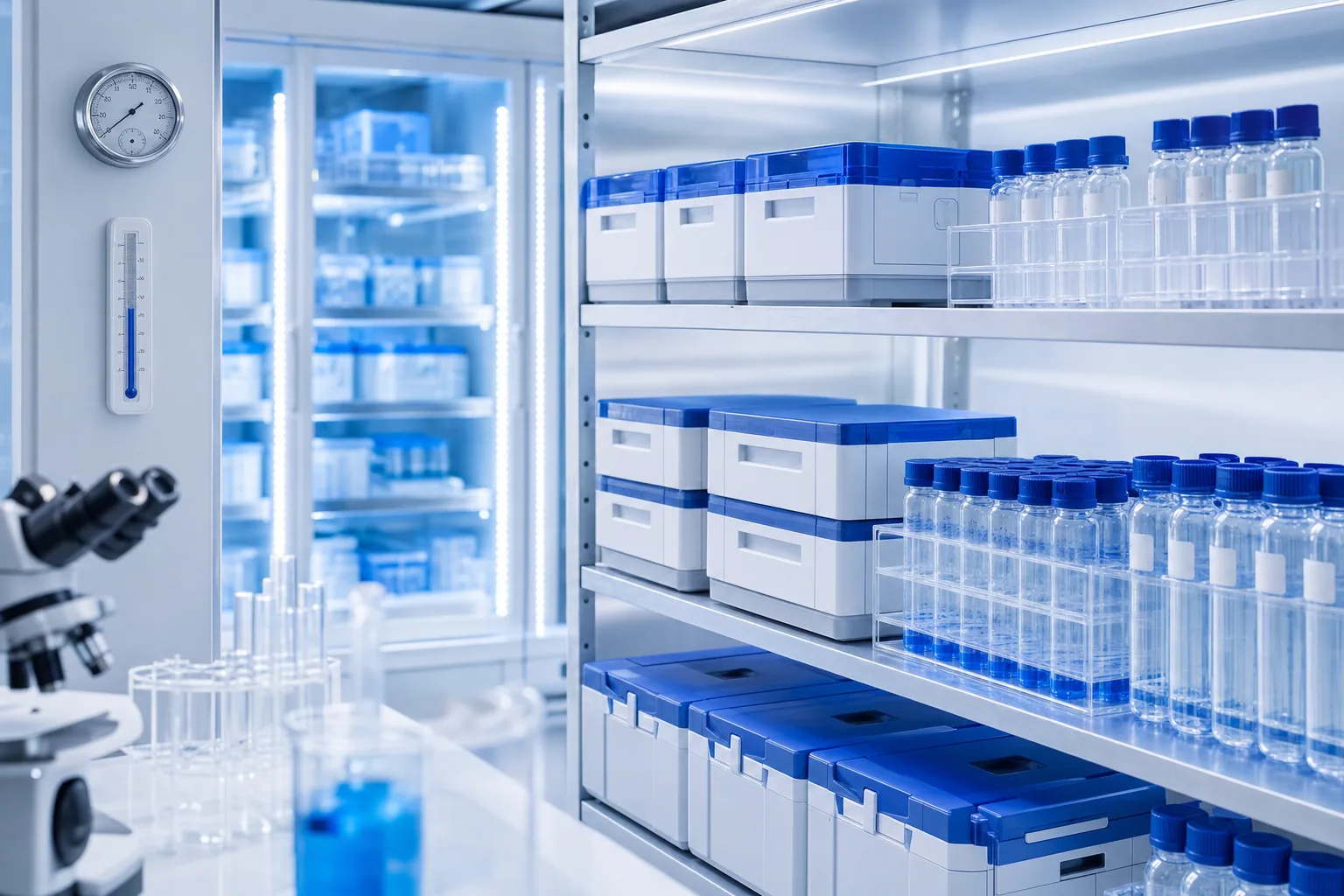
Proper peptide storage temperature and conditions are essential for maintaining compound integrity, purity, and reliability in research applications. When peptides are exposed to inadequate storage environments, degradation occurs rapidly, compromising experimental results and wasting valuable research resources. Understanding how to store research peptides correctly ensures that your compounds remain stable from delivery through the completion of your analytical work.
Why Peptide Storage Temperature Matters
Peptides are sensitive biochemical compounds that begin to degrade when exposed to improper environmental conditions. Temperature fluctuations, light exposure, and humidity variations all accelerate molecular breakdown, reducing purity and altering compound behavior during analysis. This degradation is not always visible to the naked eye, but it manifests in altered experimental outcomes, reduced efficacy in applications, and inconsistent batch-to-batch results.
When you source high-purity research peptides from a supplier like Peptydlab, the quality assurance extends only as far as your storage practices allow. A compound that arrives with verified HPLC purity testing and mass spectrometry identity confirmation can lose those characteristics within weeks if stored improperly. This is why establishing and maintaining optimal storage conditions in your laboratory is a critical part of your research workflow.
Recommended Storage Temperature Ranges
Most lyophilized peptides are stable at temperatures between 2 and 8 degrees Celsius, which is standard refrigeration temperature. This cool environment significantly slows molecular degradation and extends the usable lifespan of your compounds. However, storage requirements can vary depending on the specific peptide composition and intended applications.
For longer-term storage or enhanced stability, many researchers opt for freezer conditions at -20 degrees Celsius or lower. Freezing dramatically reduces molecular activity and can preserve peptides for extended periods, often a year or more, compared to several months in standard refrigeration. Some specialized compounds may even benefit from ultra-low freezing at -80 degrees Celsius, though this level of preservation is typically reserved for compounds that are particularly sensitive to degradation or are needed for long-term archival purposes.
Room temperature storage should be avoided entirely for most research peptides. Even brief exposure to ambient conditions can initiate degradation processes that compromise your results.
Humidity and Light Protection
Beyond temperature, humidity control is equally important for peptide preservation. Excessive moisture can promote hydrolysis and bacterial growth, while overly dry conditions may cause peptide aggregation. Ideal humidity levels typically range from 30 to 60 percent relative humidity. In laboratory environments, this often means using sealed containers with desiccant packets or moisture-control systems.
Light exposure, particularly ultraviolet and direct sunlight, accelerates peptide degradation through photochemical processes. Always store research peptides in opaque, light-protective containers. Many suppliers, including Peptydlab, provide vials designed to shield compounds from light damage. Keep storage areas away from windows and overhead lighting where possible, and consider using amber or dark-colored containers for additional protection.
Practical Storage Best Practices
Implementing these storage strategies ensures your research materials remain reliable:
-
Use dedicated laboratory refrigerators or freezers, not general-purpose kitchen appliances. Research-grade storage units maintain more consistent temperatures and are isolated from frequent door openings that cause temperature fluctuations.
-
Store peptides in their original sealed vials when possible. The packaging from your supplier is designed to protect compound integrity and maintain purity.
-
Label all containers with the compound name, batch number, receipt date, and expiration or recommended analysis date. This organization prevents mix-ups and ensures you track storage duration.
-
Keep a storage log that documents temperature readings from your refrigerator or freezer. Regular monitoring helps identify equipment failures before they compromise your materials.
-
Minimize the frequency of removal and exposure. Each time a vial is opened, moisture enters and temperature fluctuations occur. Plan your work to reduce unnecessary handling.
-
If you receive lyophilized peptides, verify that they arrive in sealed, vacuum-packed conditions. This is a sign that the supplier maintains rigorous quality control throughout shipping and handling. When you open a vial, record the date and reseal it promptly.
Storage Documentation and Batch Tracking
When you work with research peptides from a reputable supplier, you receive documentation that includes specific storage recommendations for each batch. Peptydlab provides Certificate of Analysis with every batch, accessible via QR code on each vial. This documentation includes not only purity data from HPLC testing and mass spectrometry identity confirmation but also guidance on optimal storage conditions specific to that compound.
Use this documentation to establish your storage protocols. Cross-reference your supplier's recommendations with your laboratory's capabilities to ensure you can maintain the required conditions throughout your research project. If your laboratory cannot meet the recommended storage temperature, contact your supplier to discuss alternatives or plan your compound ordering to align with project timelines.
When Storage Conditions Are Compromised
If you discover that stored peptides have been exposed to improper conditions, the appropriate response depends on the duration and severity of the exposure. Brief exposure to elevated temperatures or light is unlikely to cause catastrophic degradation but will reduce the remaining shelf life of the compound. Extended exposure at room temperature or in direct sunlight is cause for concern and may warrant retesting or reordering.
Do not attempt to salvage or retest compromised materials without consulting your supplier or conducting preliminary verification. Using degraded peptides in critical research can produce misleading results that undermine your entire study.
Maintaining Research Integrity Through Storage
Peptide storage temperature and conditions represent a direct extension of your supplier's quality assurance program. When you receive compounds backed by HPLC purity testing, mass spectrometry confirmation, and documented batch records, your responsibility is to preserve that quality through every stage of your research workflow. Proper storage is not an optional step but a fundamental component of maintaining the scientific integrity and reproducibility that research demands.
Invest in appropriate storage equipment, establish clear protocols, and monitor your conditions regularly. By doing so, you maximize the value of the research materials you source and ensure that your experimental outcomes reflect true scientific findings rather than degraded compounds or unstable materials. When you are ready to order high-purity research peptides with verified documentation and quality assurance, Peptydlab provides the consistency and transparency you need to support your laboratory work with confidence.